Knowing the trail › Clew Bay › Around the whole bay from Westport
Seafood, mountain lamb and brown bread on the Mayo coast
The food of the Clew Bay coast comes from the water and the hills around it. Here is what to look for on menus and in shops, and how to feed a day on the greenway.
Trail noteShops and places to eat are only in the towns and villages. Long stretches between Newport and Mulranny have none, so carry food and water for that stage.
The coast around Clew Bay is not a place of fancy cooking. It is a place of good ingredients, close at hand: shellfish grown in the bay, fish landed on this coast, lamb raised on the hills and the bogs, and bread baked the way it has been made in Irish kitchens for generations. If you know what to look for, a few days on the greenway can be a good few days of eating.
Shellfish from the bay
Clew Bay's sheltered water and its many islands make it good ground for shellfish. Mussels are grown on ropes hanging from long lines in the bay, and you may see the rows of floats out on the water from the trail. Oysters are also farmed along this coast, in the intertidal ground where the tide covers and uncovers them twice a day.
Look for mussels steamed with garlic, wine or cider and served with bread to mop up the juice, and oysters served raw with lemon or brown bread and butter. Shellfish is seasonal and depends on water conditions, so what is on the menu varies. Oysters are traditionally best in the colder months.
One word of caution: do not gather shellfish yourself from the shore. The farmed beds and lines in the bay belong to the people who work them, and wild shellfish can carry toxins from algae at certain times of year, with no way to tell by looking. Water quality is tested for the farmed beds, not for the rocks below the trail. Leave the mussels on the shore to the oystercatchers, and eat the ones that come to the table cooked and checked.
Fish
Fish from the Atlantic turns up all along the coast: hake, mackerel, pollock and others depending on the season and the catch. Smoked salmon is a traditional west-of-Ireland product, and seafood chowder, a thick, creamy soup of fish and shellfish, is on menus in nearly every town on the route. On a cold, wet day on the trail, there are few better things to sit down to.
Lamb from the hills
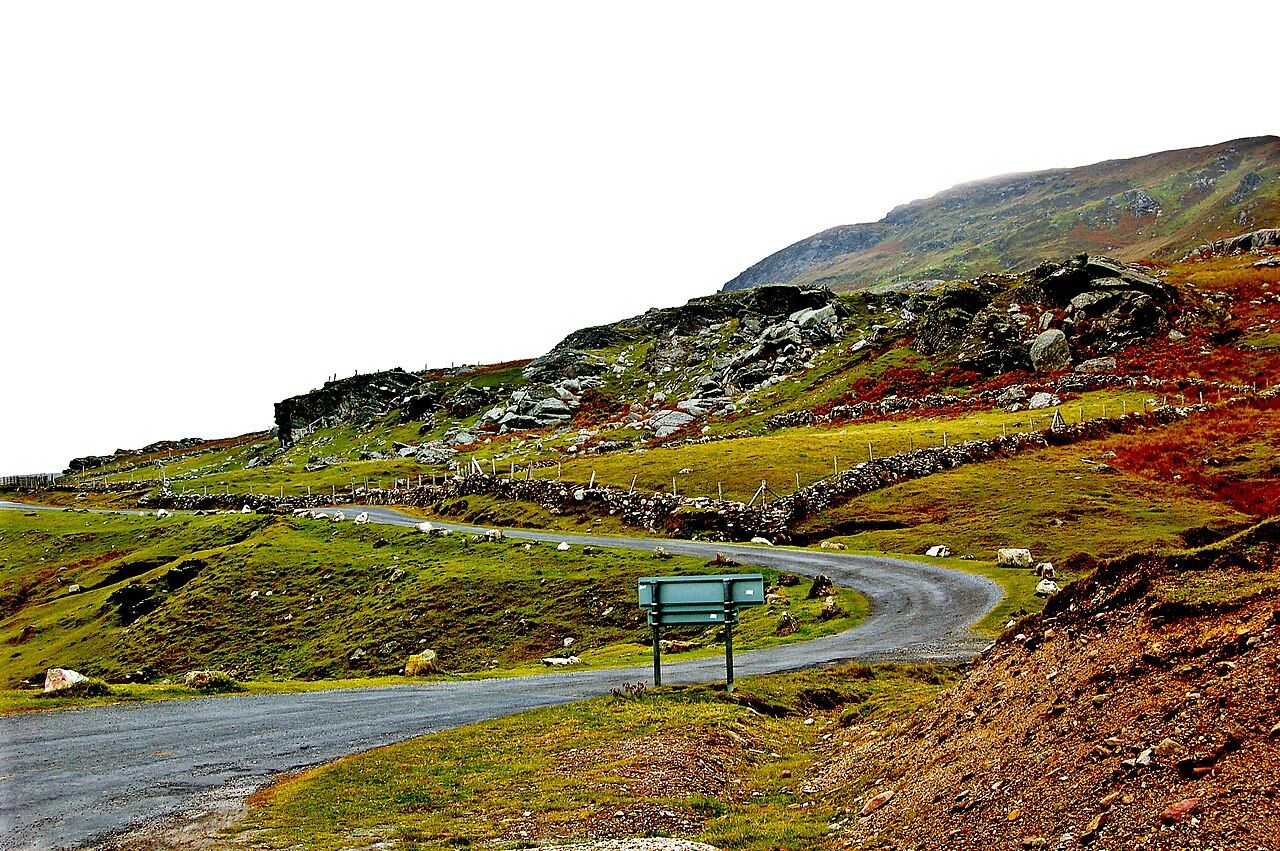
The mountains and bogs around Clew Bay and on Achill are sheep country. Hardy hill sheep graze the open land, and you will meet plenty of them on the trail and the roads. Achill mountain lamb has a name of its own, raised on heather, grasses and the salt air of the island.
Look for roast lamb, lamb stew or Irish stew, a slow-cooked dish of lamb or mutton with onions, potatoes and carrots. Recipes vary from house to house and nobody agrees on the right one, which is half the fun.
Off the trail: Clew Bay and its islands
Brown bread and the baking
Brown soda bread is the everyday bread of Ireland: a dense, slightly sweet loaf made with wholemeal flour, buttermilk and bread soda instead of yeast. It comes with soup and chowder, with smoked salmon, with seafood and on its own with butter. Every kitchen has its own version, with oats, seeds, treacle or none of these.
Scones, fruit bread and tea bracks are the other staples of the baking tradition. A scone with butter and jam and a pot of tea at the end of a stage is about as traditional as a greenway ride gets.
Other things to look for
- Black and white pudding, often at breakfast.
- Local cheeses from small farms in the west.
- Sea salt harvested on this coast.
- Seaweed, used in cooking, baking and as a side.
- Potatoes, still central to Irish meals, often served more than one way on the same plate.
Eating along the trail
Places to eat on the greenway are concentrated in the towns: Westport, Newport, Mulranny and the villages on Achill. In between, especially on the long stretch from Newport to Mulranny, there is little or nothing. In summer you may find seasonal food stands at popular stops, but do not rely on them; opening times and days change.
The best approach is simple. Eat a good breakfast before you set off, carry a packed lunch and snacks, and plan to eat properly in the evening. Supermarkets and bakeries in Westport and Newport are good places to stock up.
What to carry
- Water, at least a litre each, more on a warm day.
- Sandwiches, ideally on brown bread, and some fruit.
- Something sweet and easy to eat on the move.
- A flask of tea or coffee on a cold day.
Food and the seasons
The menu here follows the year. Spring brings new lamb and early vegetables, summer brings mackerel and salads, autumn brings the start of the oyster season and game, and winter is for stews, chowder and baking. Many places to eat in the smaller villages open only in the main season, roughly spring to autumn, and close or cut their hours in winter.
Wherever you stop, ask what is local and fresh that day. The answer is often the best thing on the menu.
Planning your days
Split the trail with food in mind. Westport has the widest choice, Newport is a good lunch stop at the end of the first stage, Mulranny sits at the end of the longest stage and Achill has its own choice of villages. Read the stage guides to Westport to Newport and Newport to Mulranny for the distances, and the guide to Westport town for where the town's streets and squares are. If you plan to spend time on the island, read the guide to Achill Island too.
Next note: Getting to Mayo and onto the trail