Knowing the trail › Whole trail › Applies from the first kilometre from Westport
Atlantic weather on the greenway, from headwinds to long light
The trail runs along the edge of the Atlantic, and the weather comes straight in off it. Wind, showers and changing light shape every ride here more than the hills do.
Trail notePrevailing winds blow from the south-west and west, so riding towards Achill often means a headwind. Check the forecast wind direction and plan your start point around it.
The Great Western Greenway is not a hard trail. The gradients are gentle and the surface is good. What makes a day here easy or hard is the weather. The route runs along the edge of the Atlantic, and almost everything that happens in the sky arrives straight off the ocean and across Clew Bay. Wind, rain and light change faster here than in most of Europe, and a little understanding goes a long way.
The wind
The prevailing wind on this coast blows from the south-west and west, off the open Atlantic. The trail runs from Westport first north and then west, out towards Achill. Put those two facts together and you have the most important thing to know about weather on the greenway: on many days, riding from Westport to Achill means riding into the wind, especially on the open sections past Mulranny where there is nothing between you and the sea.
It is not every day. Weather systems swing the wind round, and settled high pressure can bring light easterly breezes for days. But it is common enough that many riders plan their direction around it. If the forecast shows a strong westerly, think about starting at Achill and riding east with the wind behind you, or riding out and back on a shorter stretch. Hire firms that run shuttles make this easy.
Reading the wind on the day
- Look at the forecast wind direction and speed, not just the rain symbol.
- Gusts matter more than averages, especially on bridges and the causeway at Mulranny.
- Children on small bikes and riders towing trailers feel crosswinds most.
- E-bike batteries drain faster into a headwind; set the assist accordingly.
The rain
Mayo is wet. The west of Ireland gets rain on a great many days of the year, but most of it comes as showers rather than all-day downpours. A typical day might bring bright sun, a black cloud across the bay, ten minutes of hard rain and then sun again. You can often watch a shower coming over the water and decide whether to keep going or wait under a tree.
The trail drains well, but rain changes how you ride. Brakes take longer to bite when wet, gravel and leaves get slippery on bends, and cattle grids and wooden bridges can be slick. Slow down a little, brake earlier and give yourself more room. The bog on either side holds water like a sponge, so after a wet week the ground off the path is soft; stay on the trail.
What to wear
Dress for the weather to change, not for the weather at breakfast. Layers work far better than one heavy coat, because you will warm up quickly on the bike and cool down just as quickly when you stop in the wind.
- A good waterproof jacket, light enough to pack small.
- A warm mid layer such as a fleece or light insulated top.
- Quick-drying clothes underneath; cotton jeans stay wet and cold.
- Gloves, even in summer, for wind on the open stretches.
- Sunglasses and sun cream: the sun can be strong between showers.
- Waterproof trousers or overshoes if the forecast is poor.
Off the trail: Sharing the greenway: bikes, walkers and good manners
Light through the year
Being so far west and north, this coast has very long days in summer and short ones in winter. Around midsummer it stays light until about ten in the evening, and the long, low evening light over Clew Bay is one of the best things about the trail. In the depths of winter, by contrast, the light can be fading by mid-afternoon. Plan your day around daylight, and carry lights on your bike at any time of year in case you are slower than planned.
Season by season
Spring brings longer days, fresh green on the hills, lambs in the fields and often some of the driest spells of the year, though it can be cold in the wind. Summer is the warmest and the busiest, with long evenings and the most settled weather, though rain is never far away. Autumn brings big skies, strong colours on the bog and some fine calm days, and also the first of the autumn storms. Winter is short, wet and windy, with the trail quiet and the light often dramatic; ride only in good forecasts and be off the open sections well before dark.
Storms and when to stay off
The Atlantic sends serious storms across Mayo, mostly between autumn and early spring. Weather warnings are issued for wind and rain, and when they are in force, the open sections of the trail can be dangerous: gusts can push a rider off line, branches come down in wooded stretches, and spray reaches the path near the shore. Do not ride the exposed stages in a storm warning.
Fog and low cloud are more common than people expect. On those days the mountains vanish and Croagh Patrick disappears across the bay. The trail is still safe to ride, but bring lights and wear something bright.
Making the most of it
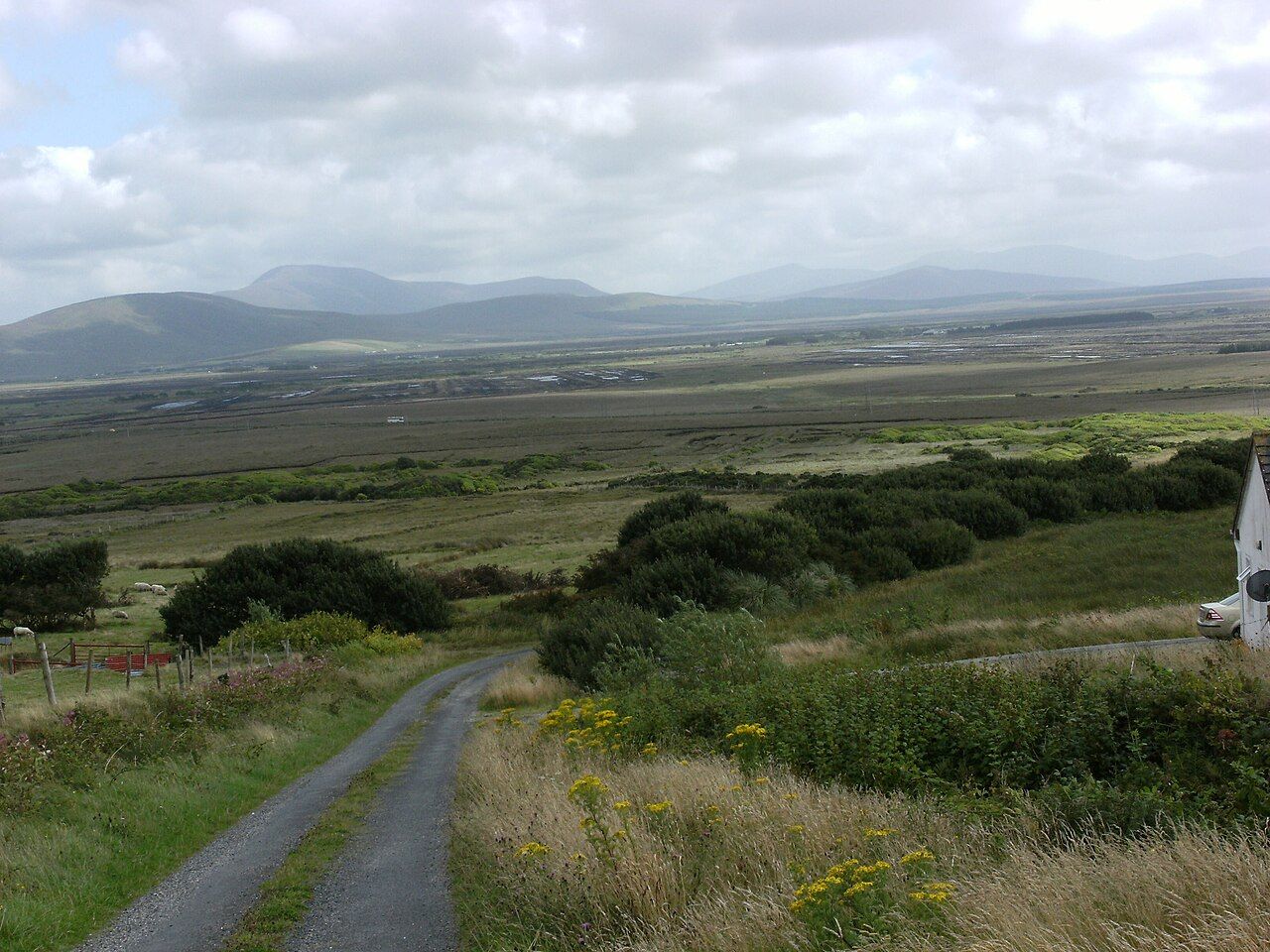
The weather here is also the reason the place looks as it does. The light on the water after a shower, the rainbows over the islands and the clouds racing over the Nephin Beg range are part of the ride. Check the forecast the night before and again in the morning, pick your direction with the wind in mind, and pack for everything.
For the trail itself, read the overview of the Great Western Greenway, and the stage guide to Mulranny to Achill Sound, the stretch most open to the Atlantic. If you are looking at the mountain across the bay, the guide to Croagh Patrick across the water has more on the climb, which is a much more serious undertaking in bad weather.